

The shiny silver finish on many parts of a car is commonly made using a metal called chromium. This is a strong silvery material that can be polished to give a shiny finish. This process is called chrome plating, which can be seen on bumpers, window surrounds, handles, grilles and many other parts.
Chromium is a chemical element with the symbol Cr and atomic number 24. This is a transition metal which is known for being very strong, highly polished and resistant to tarnishing. Most chrome trim is not pure chromium; it is a thin layer of chromium applied to the base material with a layer of nickel between.
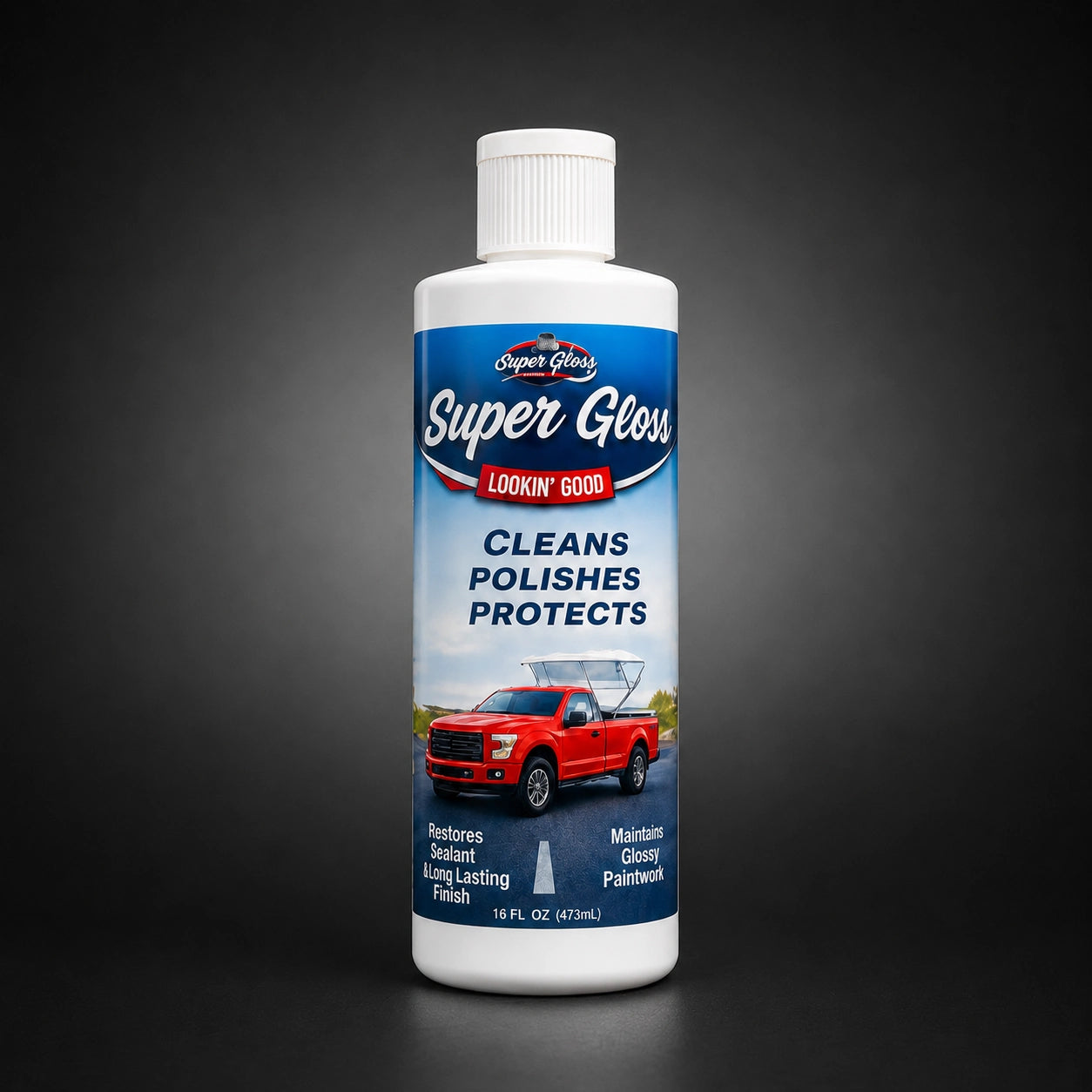
One Polish. Multiple Surfaces.
Skip the need for separate detailing products. Super Gloss combines cleaning, polishing, shining, and sealing in one multi-surface formula.
It gives a nice finish whilst protecting the base material. Whilst Chrome is a strong material it still needs to be properly cared for. The finish can become dull due to dirt, water spots, salt and using the wrong cleaning products. Knowing what the trim is made up of will help you to clean and polish it correctly.
What Is The Shiny Metal Used On Car Trim?
Chrome is the element used to create this classic chrome finish. It is a natural metallic element that is blue-white and silvery. When polished or applied as a thin layer, it can give a shiny surface, which is great for creating a decorative finish.
Chromium is also used to manufacture stainless steel and other metal alloys. It is a corrosion-resistant element, meaning it can create a protective surface.
Chromium (atomic number 24) can be used to give a shiny polished mirror finish to many metal components. Chromium-plated parts on cars have been used for decades.
Whilst the term Chrome is commonly used to describe the shiny finish, the element itself is called Chromium. Most chrome trim is not pure Chromium.
How Is Chrome Plating Applied To Car Trim?
Chrome plating is an electroplating process. This means that the chromium is applied to a prepared surface using an electric current. The base material can be steel, aluminium, copper alloys, zinc alloys or certain plastics.
Decorative chrome on cars can often have multiple layers. The manufacturer would apply a layer of copper to help even out the surface, followed by a layer of nickel and a very thin layer of chromium. The nickel provides most of the protection against corrosion and helps give the shiny finish. The chromium gives the classic shiny finish and helps it not to tarnish.
The exact layers will depend on the component and what it is used for. The Society of Automotive Engineers has published standards for nickel and chromium electroplating on automotive ornaments and hardware.
Chrome plating is popular as it gives a clean, shiny finish to automotive components. It doesn’t require the whole component to be made from an expensive decorative material. It will also help to protect the base material.
Is All The Shiny Trim On Cars Made From Chromium?
No. Whilst Chromium is commonly used to create Shiny Trim on cars, many other materials and finishes can be used. It is important to know what your trim is made from, as each will require different cleaning.
Chrome Plating
Classic chrome plating will give a shiny mirror silver finish. This is commonly found on grilles, bumpers, handles, badges and other decorative features. The chromium is applied to the base material with a layer of nickel or copper-nickel underneath.
This is a fairly durable finish; however, it can become scratched, chipped and corroded. Once the chrome has started to chip and flake, it won’t be possible to polish it back to its original finish.
Polished Stainless Steel
Some trim can be made from polished stainless steel. Stainless steels are made with Chromium in the alloy.
The Chromium helps create a thin passivating oxide layer which protects the metal from corrosion. Once polished it can create a shiny surface similar to chrome.
This can be seen on window surrounds, exhausts and some decorative features.
Anodised Aluminium
Aluminium can be anodised to create a hardened oxide layer using electrochemical processes. This can create a shiny metallic finish. However this is not chrome plating.
Some window surrounds, roof rails and exterior features will be made from anodised aluminium. This requires careful cleaning as harsh metal polishes and highly acidic/alkaline cleaners can cause damage.
Chrome Effect Plastic
Some modern vehicles will have plastic components that have a chrome effect finish. These can look very similar to real chrome but are not made in the same way.
Chrome effect plastic shouldn’t be treated as if it were real metal. Aggressive polishing, harsh polishing compounds and strong solvents can cause damage to the decorative finish. Use a cleaner and protector that is suitable for the material.
Why Is Chromium Used On Automotive Trim?
Chromium is still popular for automotive styling as it looks good and has some great surface properties.
Shiny Finish: Chromium creates a shiny mirror finish. This can highlight certain features on your vehicle. Manufacturers use it to bring contrast to the grilles, windows, handles and badges.
Corrosion Resistant: Chromium helps protect against tarnishing. Decorative chrome plating can help to protect the base material when applied over suitable undercoats.
Hard Surface: Chromium is a hard material. This makes it useful for creating a thin protective and decorative layer.
Versatile: Chrome plating can be applied to a variety of different base materials, including certain plastics.
Long lasting: Chrome plating can last for many years if applied correctly. It will depend on the quality of the plating, exposure to the elements and how well it is looked after.
Why Does Chrome Trim Become Dull?
Although Chromium is resistant to tarnishing, there are many different things that can cause the trim to become dull. As you drive your car regularly, it will be exposed to dirt, dust, insects, moisture and chemicals.
Water spots are a common issue. When water evaporates off the chrome, it can leave behind deposits of dissolved minerals. If not cleaned, they can become harder to remove.
Salt from the roads can cause issues, especially if you drive in the winter or live near the coast. The salt mixed with moisture can cause corrosion, especially if there are scratches or small areas of damage to the chrome.
If not cleaned properly, the finish can become dull. Using rough cloths, harsh polishing pads, aggressive polishing compounds and the wrong chemicals can cause scratches and damage to the decorative finish.
To keep your chrome looking good, regularly clean it to remove any contaminants. Use products designed for the actual surface.
How To Clean And Look After Shiny Car Trim
You don’t need specialist equipment to clean your chrome. Simply use an appropriate automotive cleaner, soft microfibre cloth, clean water and an appropriate protector.
1. Find Out What Your Trim Is Made From
Find out whether your component is chrome plating, polished stainless steel, anodised aluminium or chrome effect plastic. If you’re unsure, check your owner's manual or manufacturer for their care recommendations.
Modern vehicles can have a variety of different trims.
2. Rinse Away Loose Dirt
Rinse your trim with clean water to remove any dust, road dirt or loose dirt. This will help avoid any abrasive particles scratching the trim.
Use a soft detailing brush to clean around any narrow areas such as badges, grilles and handles. Avoid using brushes with stiff bristles and be gentle.
3. Gently Clean With A Mild Cleaner
Use a mild automotive cleaner suitable for the material. Gently wipe over using a soft microfibre cloth. Avoid using strong acidic cleaners, harsh alkaline chemicals or domestic abrasive products.
Rinse off to avoid any build-up. Particularly important if you’re cleaning chrome near painted areas or plastics.
4. Dry The Surface
Dry the trim using a clean soft microfibre towel. This will help avoid any mineral build-up.
Be careful around any gaps such as badges, handles and window surrounds.
5. Apply An Appropriate Polish Or Protector
If your trim is suitable for metal and chrome, use an appropriate polish. Look for a product that clearly states what materials it can be used on.
When looking at the best car wax and polish, look for something that is suitable for your surface, easy to apply, cleans well and provides the right protection. A polish and sealant can make it easier to look after your trim if it is suitable for your surface.
Grandpa Bosch Super Gloss Polish And Sealant is marketed as suitable for many surfaces, including metal and plastic. To use, follow the manufacturer's instructions. Shake the bottle and apply a small amount to a soft cotton or microfibre cloth. Apply to an inconspicuous area and allow to dry for 15-30 minutes. Buff with a clean cloth.
Always double-check that the product is suitable for your trim. Don’t use metal polish on anodised aluminium and don’t assume chrome effect plastic will be suitable.
Common Errors
Assuming all shiny surfaces are Chrome. Different trims may require different cleaning methods. Using inappropriate products can cause discolouration and damage.
Using harsh methods to remove stubborn spots. Chrome plating is a thin layer and using abrasive items can scratch or damage the surface. Start with gentle cleaning and use products that are suitable for the finish.
Not rinsing off road salt and cleaning products. Always rinse well and dry after cleaning. Particularly important if you’ve been driving in the winter or near the coast.
Expecting polish to fix flaking and pitting. This will affect the plating and will usually need to be professionally refinished.
Frequently Asked Questions
What Is The Chemical Symbol For Chrome?
The chemical symbol for Chromium is Cr. It has the atomic number 24 and it is a strong silvery transition metal. It is used to create decorative plating and stainless steels.
Is Chrome Trim Made From Pure Chromium?
Most decorative chrome trim isn’t pure Chromium. It will have a thin layer of Chromium applied with layers of Nickel or Copper-Nickel underneath.
Does Chrome Rust?
Chromium is corrosion-resistant; however, if the plating gets damaged, it can cause rusting.
Can I Use Metal Polish On All Shiny Car Trim?
Metal polish may be suitable for suitable chrome plating or polished metal however it can cause damage to anodised aluminium, painted trim and some chrome effect plastic. Always check the manufacturers instructions.
How Can I Keep My Chrome Trim Shiny?
Wash regularly using a mild automotive cleaner. Rinse well and dry with a clean microfibre cloth. Apply an appropriate protector.
Also Read: How to Clean Aluminum Wheels and Rims
Keep Your Vehicle Looking Shiny With The Right Care
Chromium is the element used to create the classic shiny chrome plating on cars. It is a durable and corrosion resistant material, making it useful for decorative features on vehicles. However, it is a thin plating and needs to be properly cared for.
Finding out what your trim is made from, using suitable products, avoiding abrasive items and looking after it can help keep it looking good. If your trim is suitable for automotive metal and plastic Grandpa Bosch Super Gloss Polish And Sealant can make it easy to clean, polish and protect.


